

Dallas South interviews Barbara Trepagnier author of ‘Silent Racism’ (Part 1 of 2)
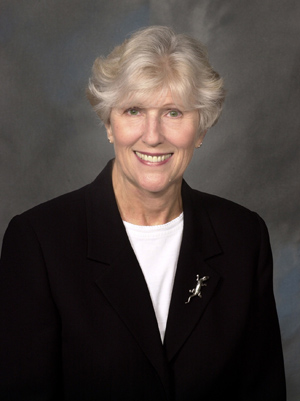 I ride around listening to NPR on KERA throughout the day, but it's rare that I catch Think hosted by Krys Boyd. Last week I happened to land on 90.1 and heard the beginning of a conversation Ms. Boyd's was having with Barbara Trepagnier.
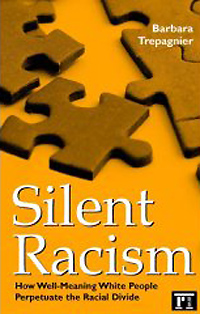
Their discussion centered on Ms. Trepagnier's book Silent Racism: How Well-Meaning White People Perpetuate the Racial Divide.
The interview was both provocative and informative. I thought the readers of Dallas South would enjoy Barbara's thoughts about racism and how even the most "well meaning" folks can fall victim. She teaches sociology at Texas State University-San Marcos.
Download Barbara's interview on Think here .
Find out more about the book Silent Racism here .
Dallas South: Why did you write Silent Racism?
Barbara Trepagnier: Shawn, thank you for inviting me to do this interview. I was in graduate school when I realized (because an acquaintance told me) that I had said something that was perceived as racist. At first, I was mortified, and then I realized that even though I hadn’t intended to, what I said was racist. I decided that for my dissertation I would study people like me: people who care about racism but at times say or do things that are somewhat racist.
DS: In the subtitle of your book you use the term "well meaning white people." Tell me what is meant by that term and how it played into your study.
BT: Well-meaning white people care about racism, and would not do anything intentionally racist. However, they (we) often don't know very much about race matters, and occasionally we say something that is patronizing or downright insulting without even knowing it. One of the important points of the book is that intentions don’t matter, the effects of what we say and do matters.
Silent racism is my term for the stereotypes and negative assumptions that are held in the minds of white people who, like me, care about racism and want to contribute to lessening it. I believe that those negative thoughts at times slip out, and influence decisions we make.
DS: What was the most surprising thing that you found in your research for this book?
BT: The amount of racism I found surprised me a lot. I invited women who care about racism to join the study—the flier said, “Women Against Racism.” I expected to find some racism in the participants, but I didn't expect to find so much. Virtually all of the women who came to the study were somewhat racist and some of them expressed ideas that were much more racist than I expected.
 Two other patterns emerged that surprised me. For one, the importance of racial passivity was not expected. I have come to believe that white people who are passive in the face of other people’s racism are equally at fault. No one likes to interrupt racism, but our silence sends a strong message that we agree with the racist statement or joke that was expressed.
And finally, I found that race awareness is more important in lessening institutional racism than whether someone is racist (we are). And the best predictor of high race awareness is whether people have close friendships African Americans and whether they talk about racism with their black friends.
DS: You studied white women for Silent Racism and many of them said they were afraid of black men. What are they afraid of?
BT: The fear of black men was striking, and it comes from stereotypes in our culture, especially ones that link black men to crime and violence. It doesn't help that so many white people, including women, do not have close friends who are black—if they did, the stereotypes would not have so much influence. As it stands, people believe the stereotypes, and fear is the result.